New signs for the neighbourhood
Key roles: creative direction, conceptualisation and design
Brief:
A multicultural and linguistically diverse neighbourhood needs signs that show expected behavior without using words. The signs should not be harsh, or policing people, but rather use nudging to encourage empathetic behaviour in common spaces.
The signs are for the neighbourhood square, the communal trampoline and the community gardens.

Solution:
The signage relies on universally understood icons and visuals. The signs need to appeal to children as well as adults in the neighbourhood.
Trampoline rules for kids
Only seven children are allowed on the neighbourhood trampoline at once.
This solution only has numbers shown and does not rely on explanations using written language.
The children playing on the trampoline are drawn as animals. This way, children of any ethnicity feel left out.
Cute animals also appeal to younger children, and the signs can function as an activity and part of the playground as well as a rule-sign.
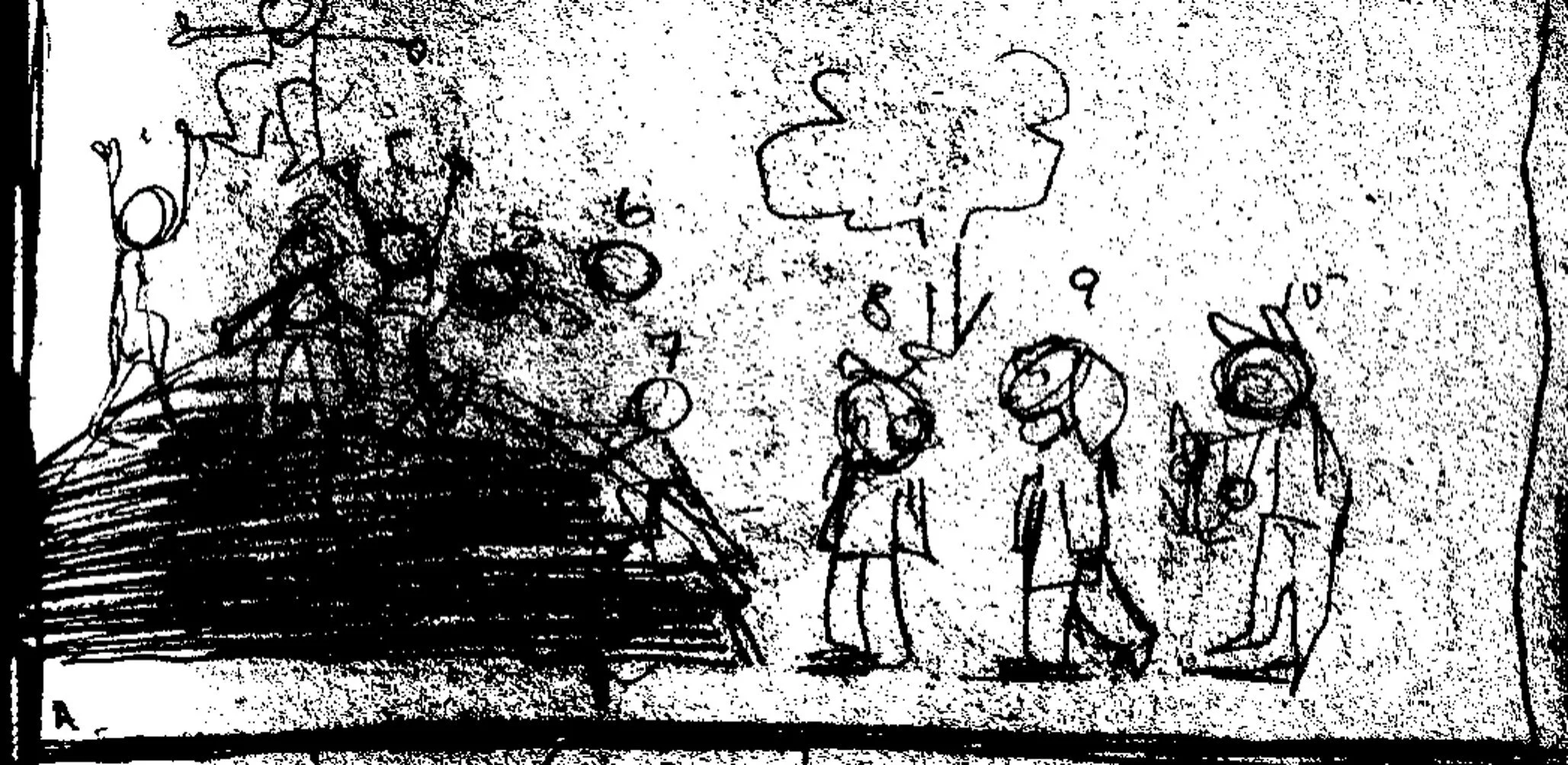
Idea A: The animals (children) are numbered 1 through 10, to show that the numbers refer to the number of people on the trampoline.
Smaller children (age 2-5) will also call attention to the sign, because it doubles as a toddler activity board where they can count the animals.
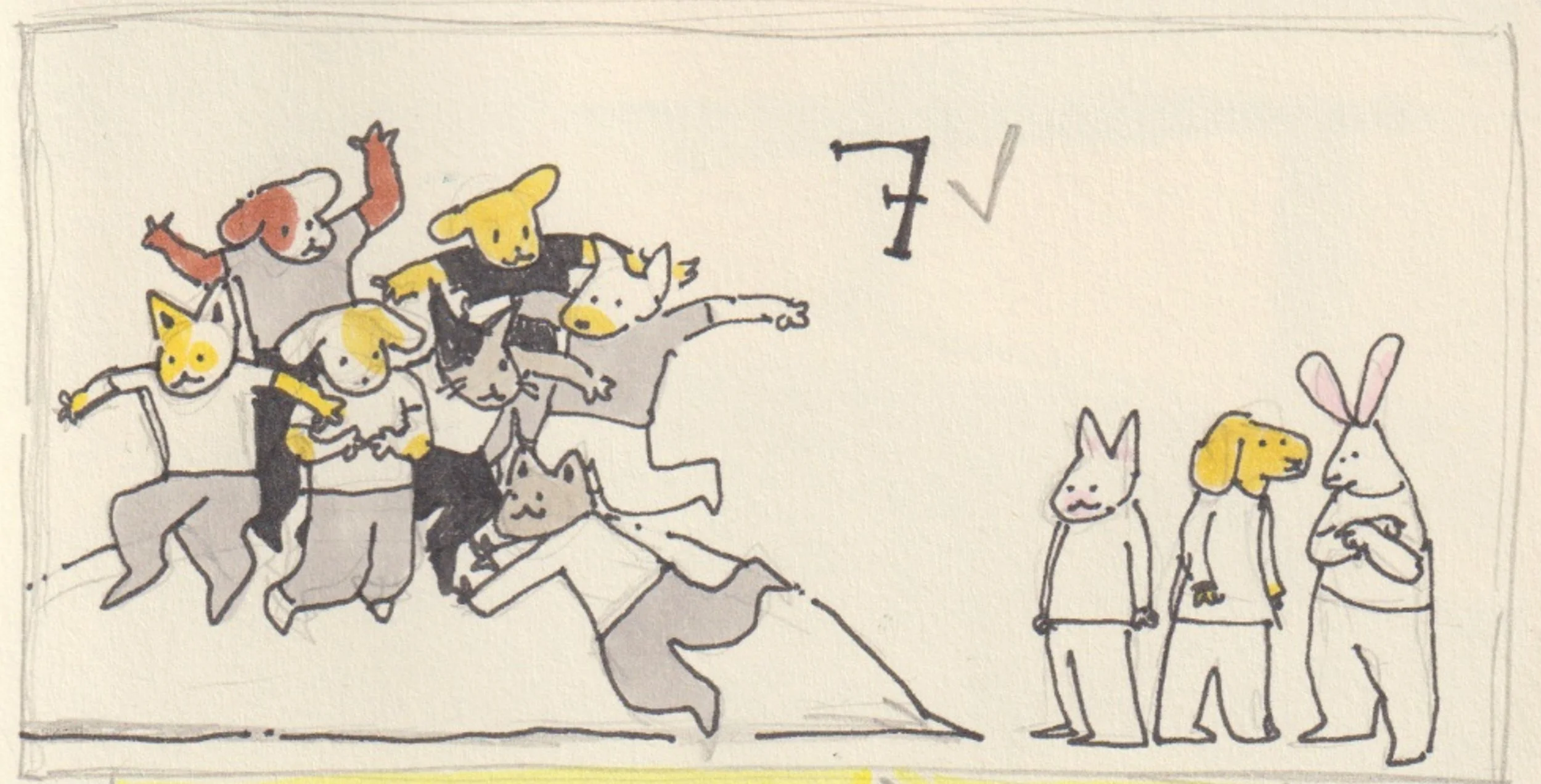
Idea B: Seven animals are shown jumping on the trampoline, while three are waiting in line. This shows that some children will need to wait their turn.
A big number 7 with a checkmark communicates that seven are allowed on the trampoline. The animals are drawn in a picture- or activity book style, so younger children can count them as an activity.
Welcome to the Neighbourhood Square
The Neighbourhood Square is a place that people meet.
The sign welcoming everyone should be representative of the diversity and neighbourhood-culture, and should also function as a community notice board.
The neighbourhood-culture is focused on volunteering in the community, promoting acceptance and curiosity across cultures, eating together, helping your neighbours and appreciating nature.
The welcome-sign should have artwork on it representing these values.

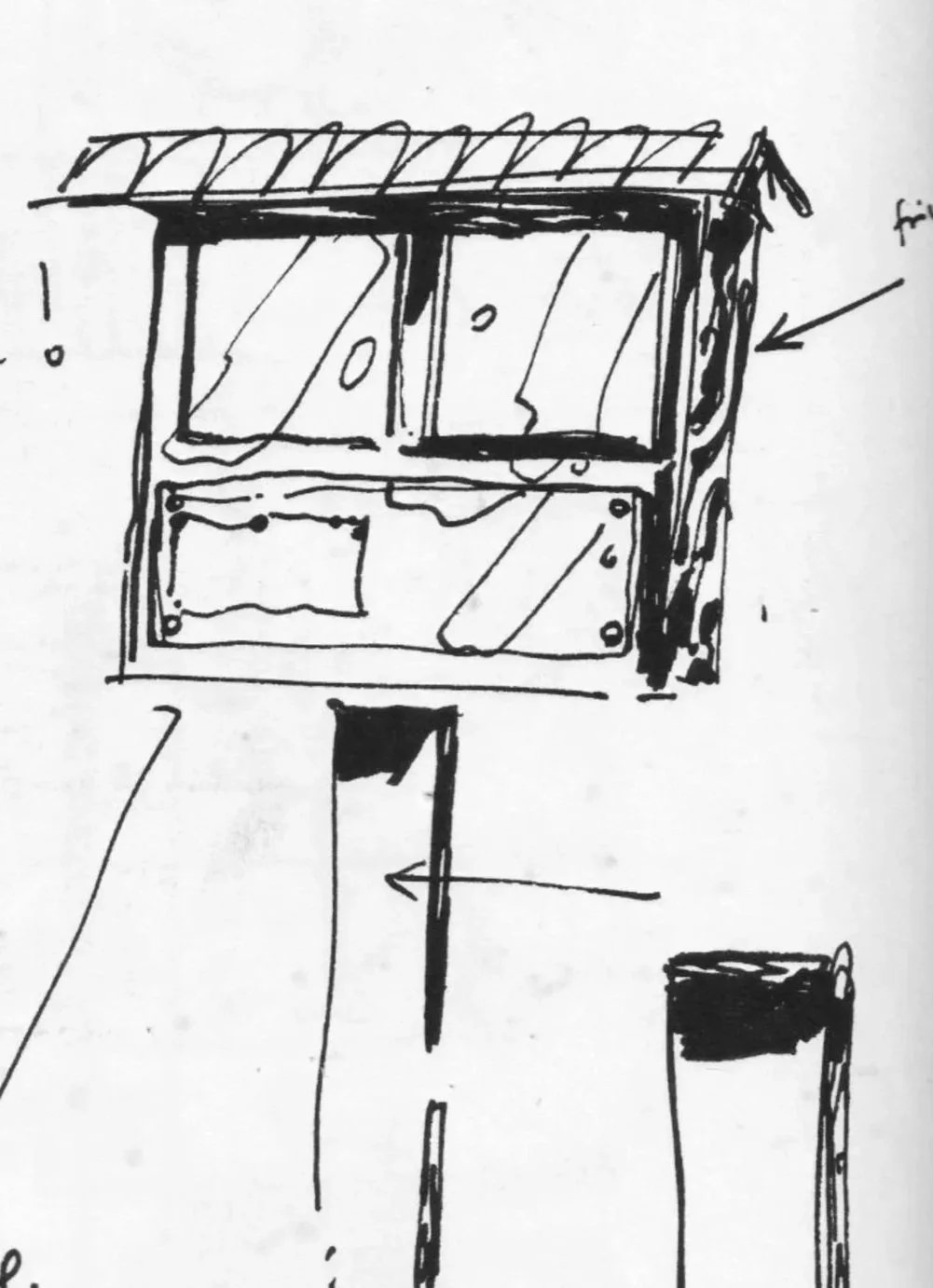

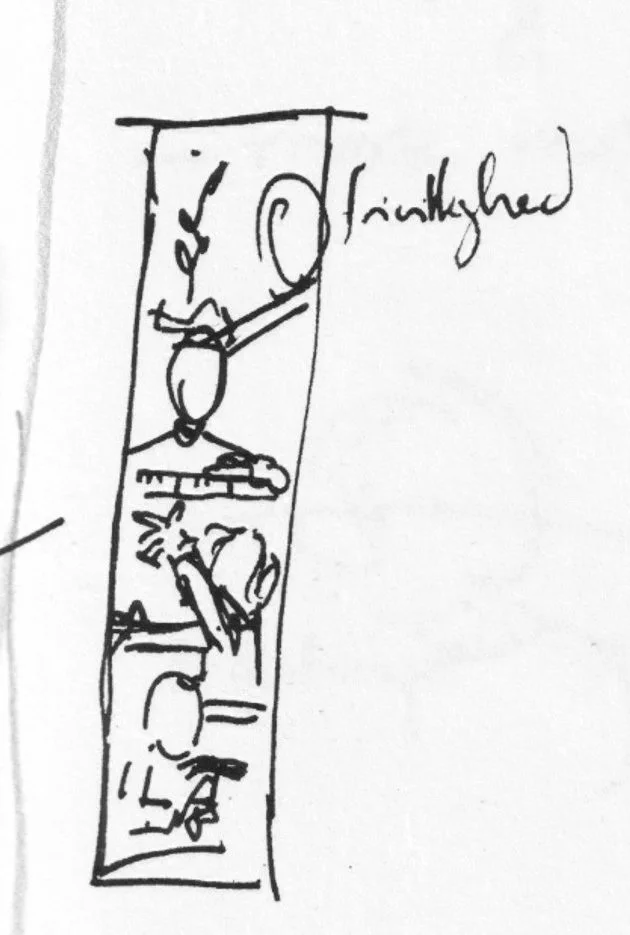
Idea A: A wooden noticeboard with different sections behind plexiglass for easily exchangable eventflyers and newspostings.
The artwork goes on the sides of the wood and depicts different acts of volunteer work, because the square was built by local volunteers.

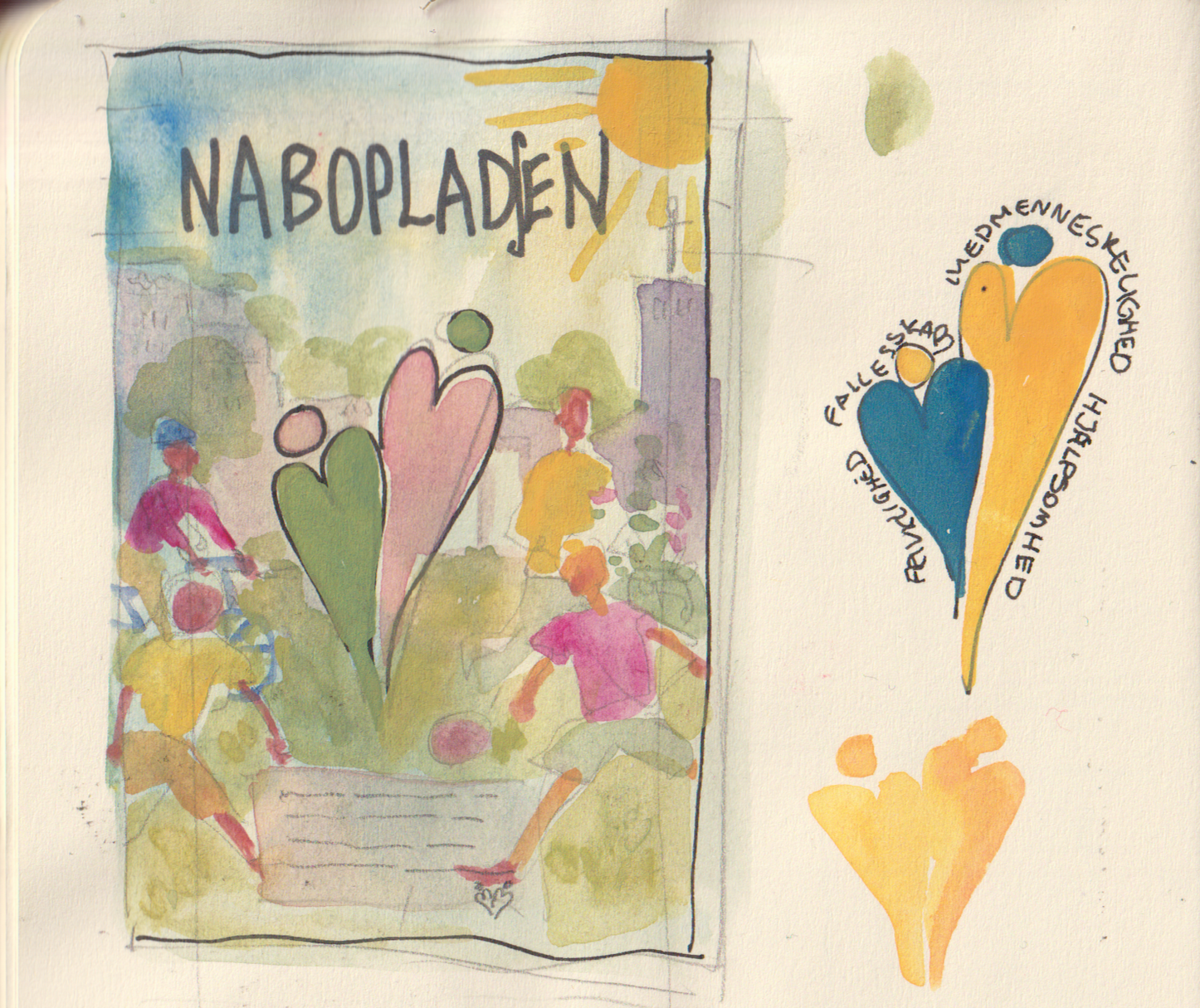
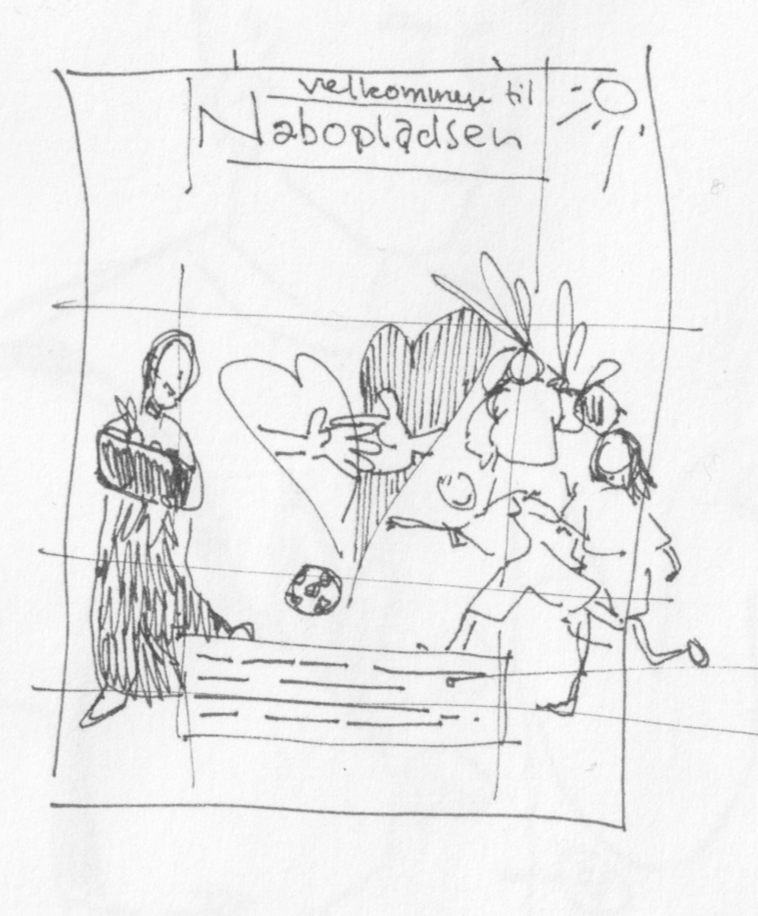
Idea B: A big sign with one side being the noticeboard and the other being a big, painted welcome sign.
The artwork depicts various demographics from the community (ethnically diverse and a range of ages) as well as represents different activities that are common in the area, such as gardening, walking pets and playing football.
The board the sign is mounted on is painted with blackboard paint, and a chalk holder is added to it. This lets the people who use the square leave their own messages and drawings on the sign in a non-permanent way.